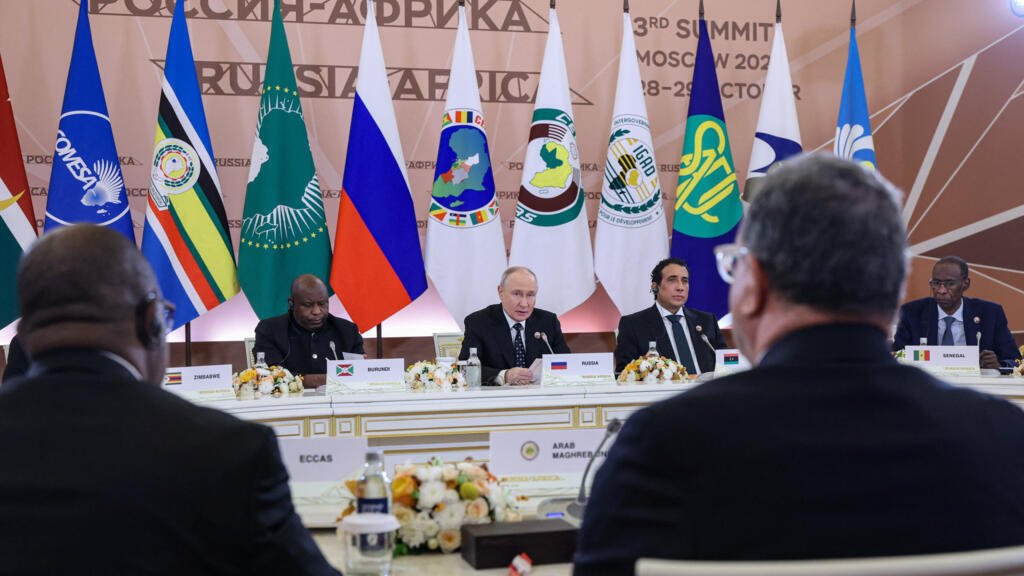
Held in Moscow on 28–29 October 2026, the third Russia–Africa Summit brought new cooperation documents and announcements covering transport, energy, industry and mineral resources. Morocco participated in the gathering, which featured road cooperation with Mozambique, transport agreements with several African countries, a nuclear cooperation memorandum with Togo and two geological contracts in Mali. For the construction and investment sectors, these developments highlight opportunities worth monitoring, although cooperation agreements do not necessarily translate into construction contracts.
Representatives from 48 African Countries Expected at the Summit
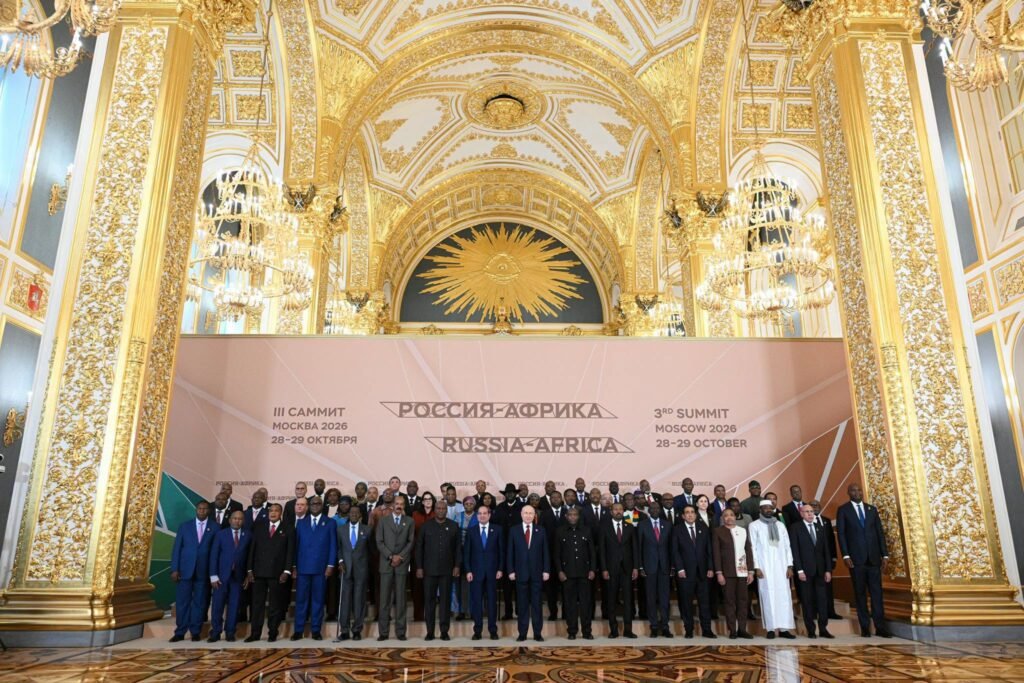
Following the 2019 summit in Sochi and the 2023 edition in St. Petersburg, Moscow hosted the third Russia–Africa Summit under the theme “For Peace, Security and Development.”
According to figures released by the Kremlin ahead of the event, delegations from 48 African countries were expected, including 22 countries represented at head-of-state level. These were advance participation figures rather than a definitive attendance count.
The discussions addressed trade, investment, energy, transport, agriculture, industry, mineral resources and emerging technologies.
Three Major Documents Adopted
On 29 October, the Egyptian Presidency confirmed the adoption of three documents during the summit’s plenary session:
- The final declaration of the Russia–Africa Summit.
- A declaration on cooperation in the civilian applications of artificial intelligence.
- The Russia–Africa Partnership Forum Action Plan for 2027–2029.
These documents provide a political and institutional framework for future cooperation. They do not, by themselves, constitute financing decisions or awarded construction contracts.
Morocco–Russia: A New Investment Agreement Under Preparation
Morocco participated in the summit through a delegation led by Fatima Ezzahra El Mansouri, Head of Government, representing His Majesty King Mohammed VI.
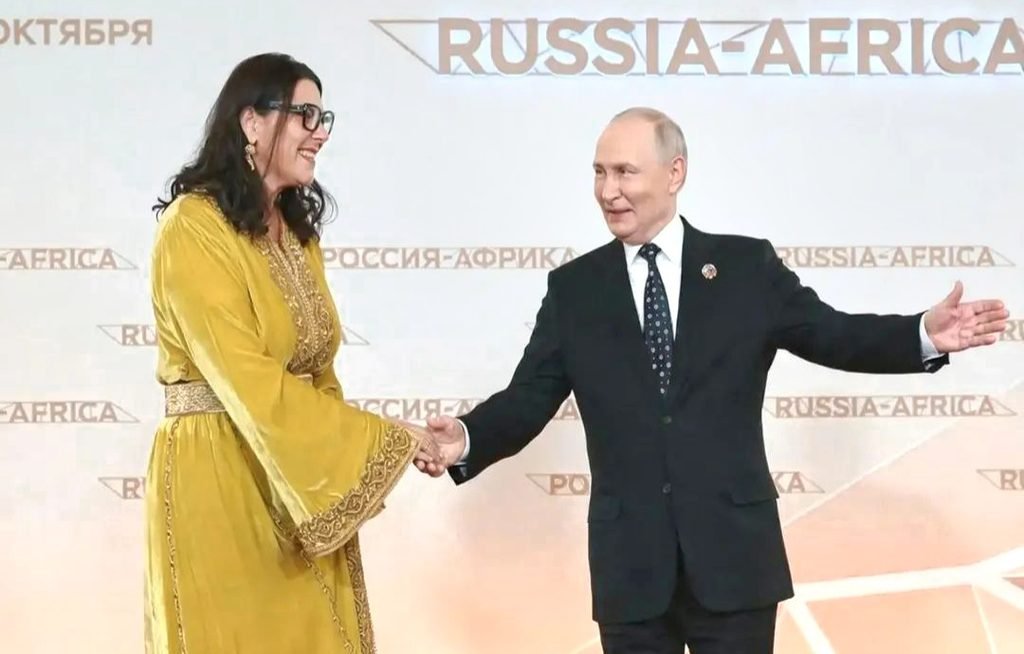
The delegation also included Nasser Bourita, Minister of Foreign Affairs, African Cooperation and Moroccan Expatriates, and Lotfi Bouchaara, Morocco’s Ambassador to Russia.
In an interview published by the Moroccan newspaper Le Matin on 28 October, Russian Ambassador Igor Belyaev and Russian Trade Representative Alexey Andreev outlined several areas of potential economic cooperation.
The principal development concerned a proposed bilateral investment agreement currently under preparation.
The sectors discussed included energy, industrial equipment, logistics, digital technologies and mineral exploration.
The two countries already have examples of practical industrial cooperation. In the pharmaceutical sector, the partnership between Moroccan company Sothema and Russia’s Biocad helped establish local production of cancer medicines in Bouskoura.
A reciprocal investment protection agreement was also signed on 15 March 2016. According to information reported by Le Matin, it had not entered into force at the time of the interview.
For Morocco’s construction and industrial sectors, stronger bilateral ties could eventually create opportunities involving manufacturing facilities, energy equipment and logistics infrastructure.
However, no new construction contract in Morocco directly attributable to the summit has been confirmed in the sources reviewed.
Mozambique: Memorandum Signed on Road Construction and Maintenance
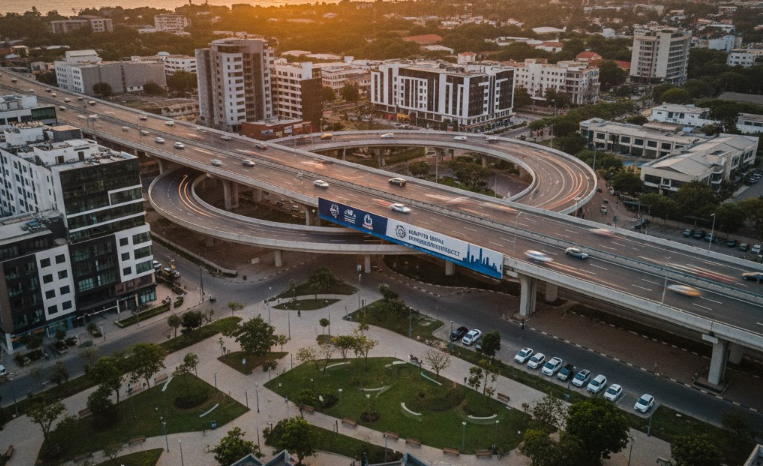
Russia and Mozambique signed a road-sector cooperation memorandum on 28 October.
The agreement, signed by the two countries’ transport ministers, covers several activities:
- Road construction and reconstruction.
- Rehabilitation and maintenance of road infrastructure.
- Toll-road management.
- Technical studies and exchange of expertise.
- Cooperation between specialised transport organisations.
The creation of a joint working group is also envisaged.
Discussions additionally addressed maritime transport and Mozambique’s interest in potential Russian participation in infrastructure projects, including railways.
The memorandum establishes a framework for technical cooperation, but does not specify any road length, construction budget or implementation timetable.
Kenya, Central African Republic and Sierra Leone: New Transport Agreements
Russia’s Ministry of Transport confirmed several additional memorandums signed during the summit.
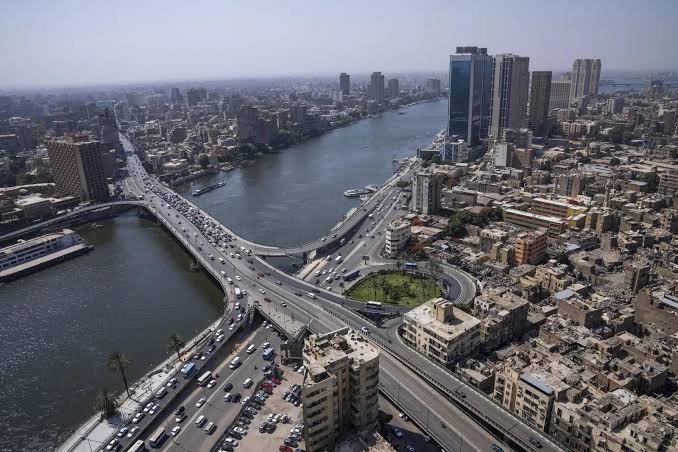
In Kenya, the agreement covers civil aviation, rail, maritime and urban transport, as well as multimodal planning. It also provides for cooperation in the design, construction, supervision and management of transport infrastructure, together with intelligent transport systems.
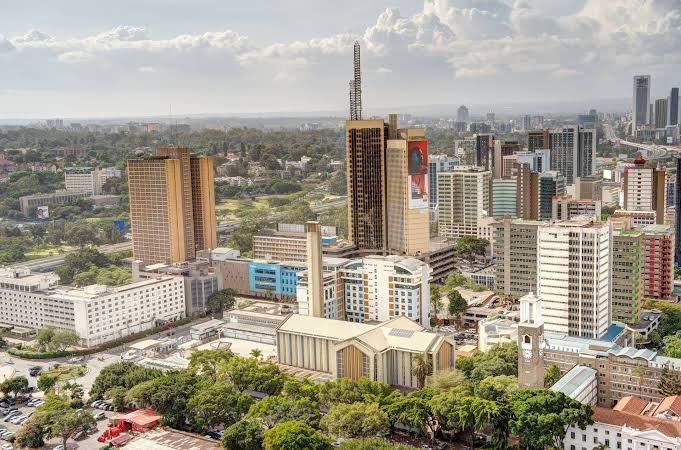
In the Central African Republic, the memorandum focuses on transport and transit, including road and air connectivity, freight movements and international transport corridors.
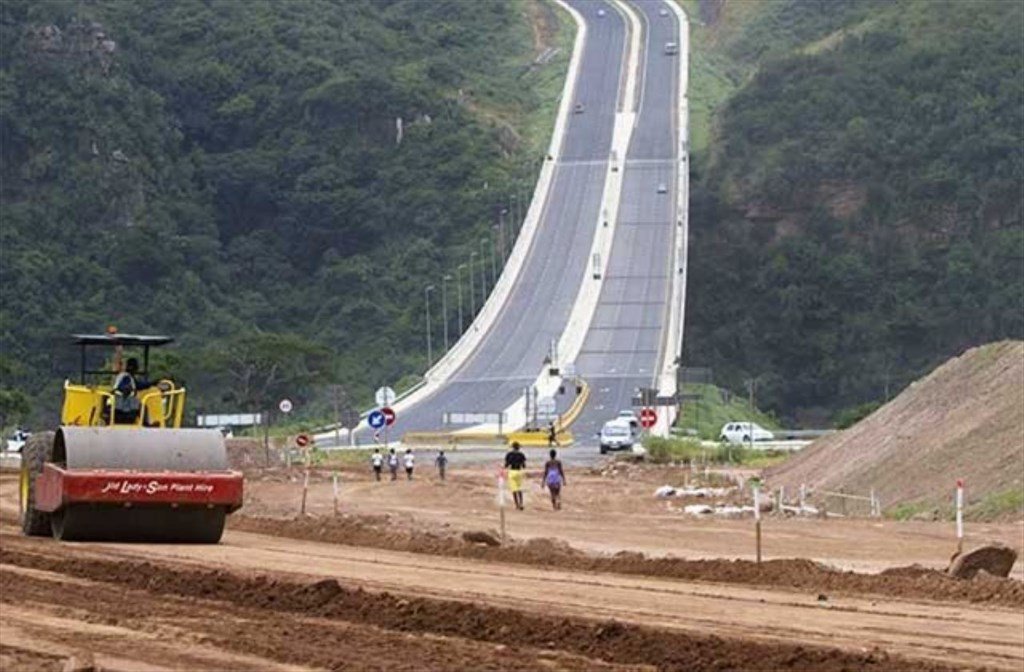
In Sierra Leone, the agreement addresses maritime connections, freight transport and improved logistics links with third countries.
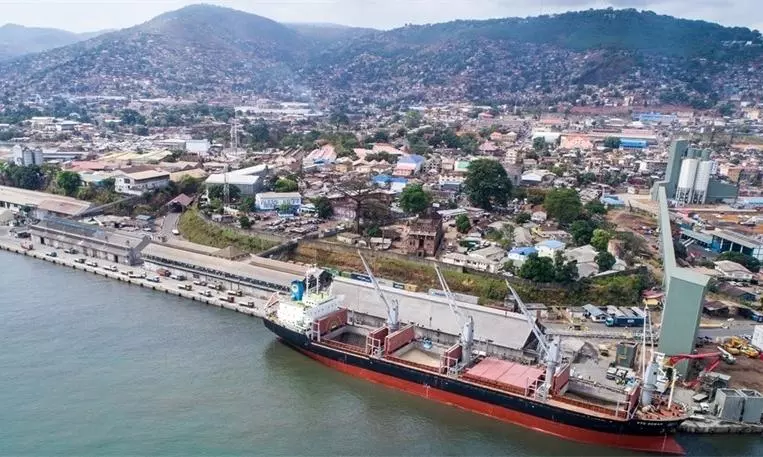
Russia also signed an agreement with Togo on the mutual recognition of seafarers’ qualifications. It is intended to facilitate maritime cooperation and does not relate to the construction of port facilities.
These agreements establish sectoral cooperation frameworks. They do not announce newly awarded construction contracts.
Togo: Nuclear Cooperation Memorandum Signed with Rosatom
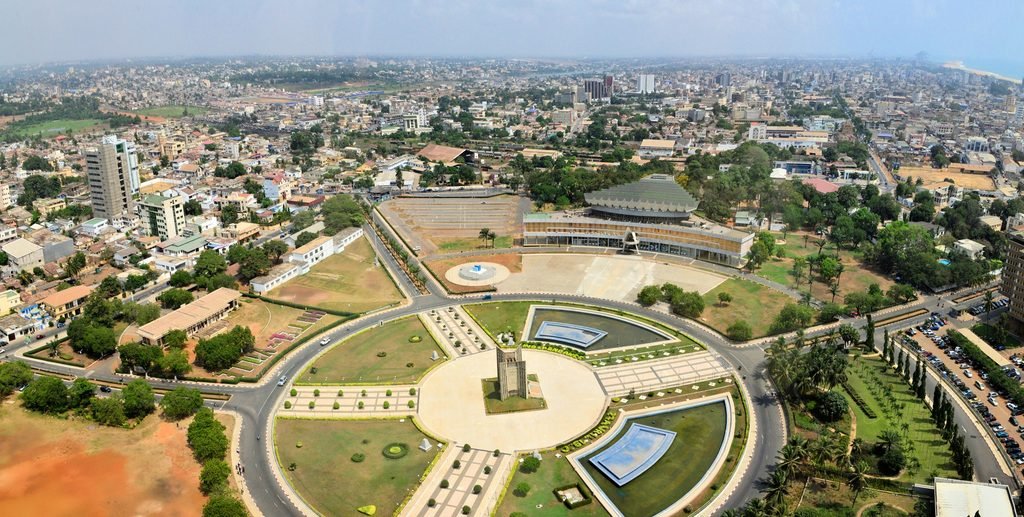
On 28 October, Russia’s state-owned nuclear corporation Rosatom and Togo’s ministry responsible for energy signed a memorandum on the peaceful uses of nuclear technology.
The document was signed by Rosatom Director General Alexey Likhachev and Robert Koffi Messan Eklo, Togo’s Minister Delegate for Energy.
It provides for specialised working groups to assess potential cooperation in nuclear power and non-power applications.
Training specialists, medical and agricultural applications, and technical capacity-building are among the areas under consideration.
Rosatom also identified floating nuclear power units as a possible solution to be studied.
The memorandum does not confirm a decision to construct a nuclear power plant in Togo, nor does it specify a location or construction financing.
Egypt, Togo, Namibia and Tanzania: Advanced Talks on Floating Nuclear Power Plants
Rosatom reported advanced discussions with four African countries — Egypt, Togo, Namibia and Tanzania — concerning potential floating nuclear power projects.
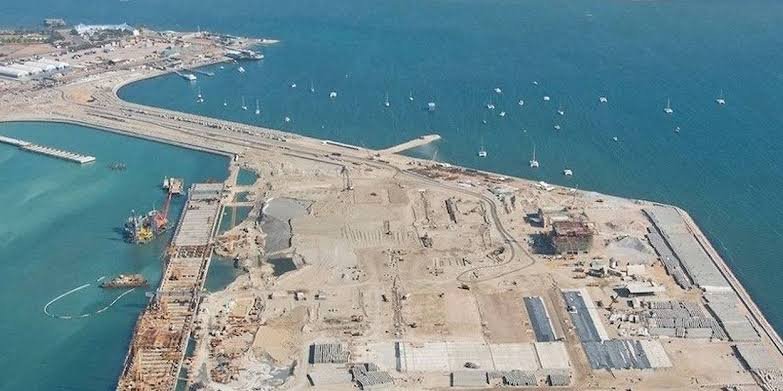
The proposed solutions include units with a capacity of 100 megawatts (MW), designed for deployment in coastal environments.
Such projects could require specialised infrastructure, electricity grid connections and appropriate safety arrangements.
However, these discussions should not be interpreted as confirmed orders. No final site selection or construction contract has been announced for the four proposals.
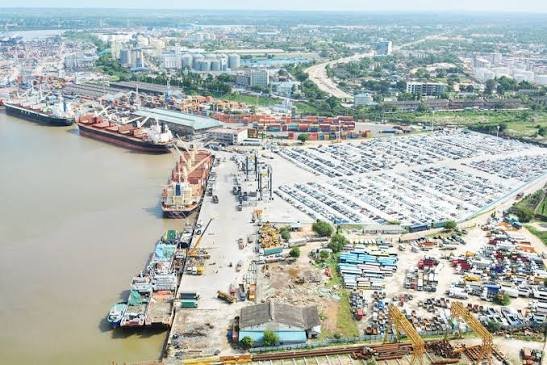
Egypt is separately pursuing its existing El Dabaa nuclear power programme with Russia.
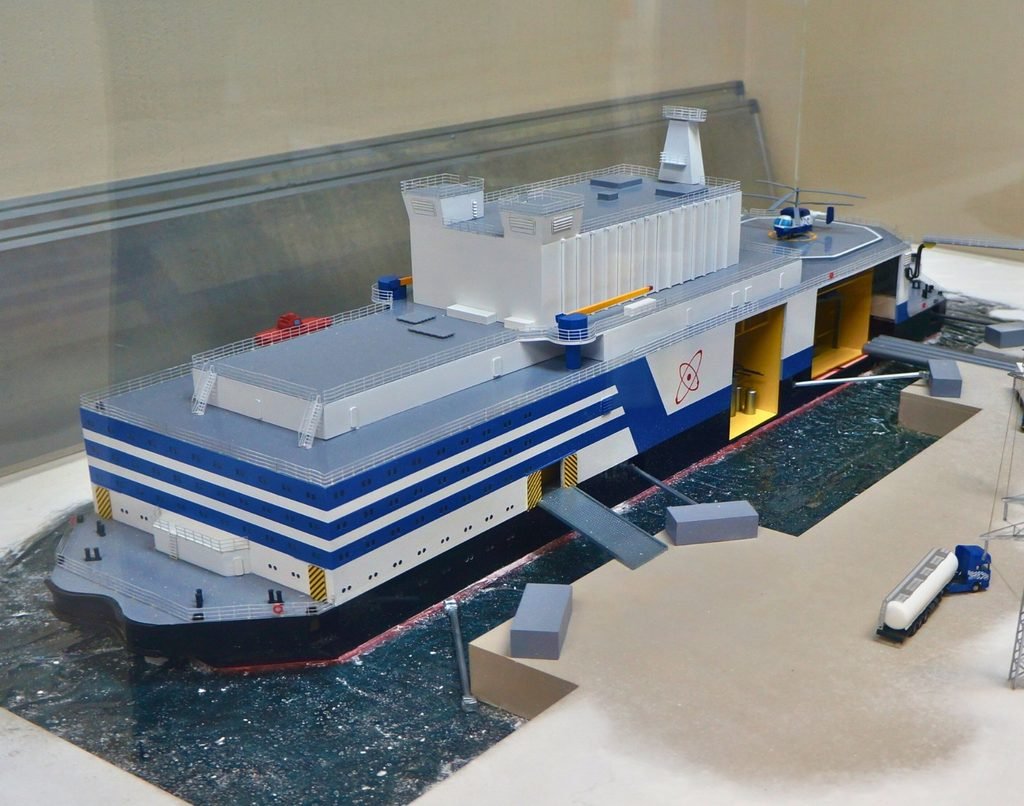
The project comprises four reactors rated at 1,200 MW each, representing a planned total nominal capacity of 4,800 MW.
El Dabaa is an existing nuclear project and should not be presented as a new contract resulting from the Moscow summit.
Mali: Two Contracts Signed for Geological Mapping and Mining Data
Unlike several cooperation memorandums announced at the summit, Mali signed two contracts covering defined technical services with Zarubezhgeologia, the international projects subsidiary of Russia’s Rosgeologiya group.
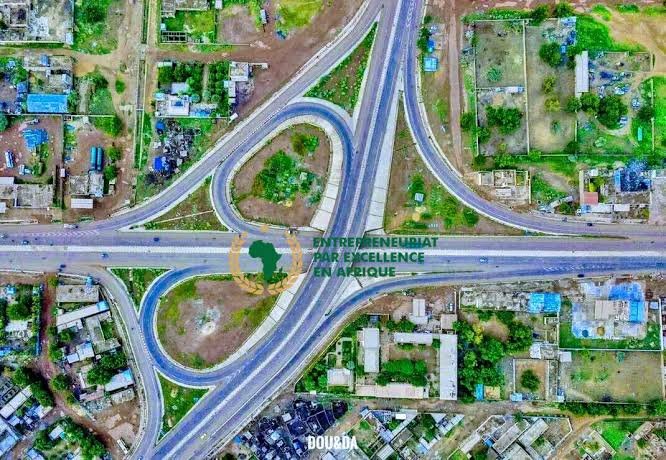
The first contract concerns geological mapping of two priority areas of Mali’s territory to identify prospective mineral exploration zones.
The second concerns the development of a national geological information system designed to organise, store and analyse mineral resource data.
According to details published on 28 October by the Malian newspaper L’Essor:
| Contract | Scope | Reported Duration |
|---|---|---|
| 1 | Geological mapping at a scale of 1:200,000 across two priority areas | 24 months |
| 2 | Development of a national geological information system | 8 months |
The services include satellite imagery interpretation, geological data analysis and specialist training.
Reuters confirmed the agreements and reported that the two mapping areas cover more than half of Mali’s territory.
The financial value of the contracts has not been disclosed in the sources reviewed.
These services could help prepare future mining investments, but they do not represent contracts to construct mines or associated infrastructure.
Burkina Faso, Mali and Niger: A Financing Framework for Potential Investments
Economic cooperation between Russia and the Confederation of Sahel States also featured in the summit’s announcements.
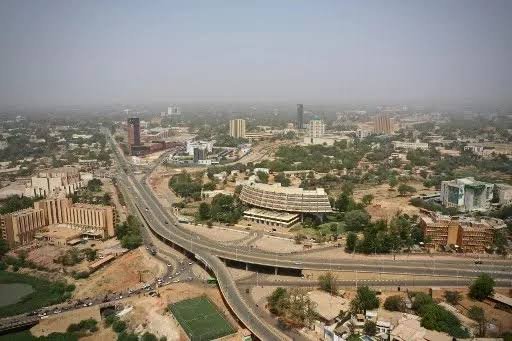
Russia’s public development institution VEB.RF and the Confederation of Sahel States’ Investment and Development Bank (BCID-AES) signed a memorandum intended to establish financing mechanisms for future projects.
Russian Deputy Prime Minister Alexander Novak referred to a potential portfolio of investment projects in Burkina Faso, Mali and Niger that could amount to several billion US dollars in an initial phase.
This amount represents an estimate of possible investments, not financing already disbursed or contractually committed.
Individual projects, their final sectors and implementation schedules remain to be clarified.
Southern Africa: SADC Signs an Action Plan with Russia
The Southern African Development Community (SADC) and Russia signed an action plan on 28 October to strengthen cooperation.
The document covers trade, investment, industrialisation, transport, energy, mining and information technologies.
The framework is designed to support institutional exchanges, training, knowledge transfer and technical cooperation.
It does not announce specific construction financing or awarded infrastructure contracts.
African Union: A Cooperation Action Plan Covering 19 Areas
The African Union Commission and Russia also signed an action plan for 2027–2029.
According to the African Union’s official statement, the document identifies 19 areas of cooperation.
These include:
- Transport infrastructure.
- Energy and water resources.
- Agriculture and food security.
- Trade and investment.
- Technology, artificial intelligence and digital transformation.
- Education, training and skills development.
The African Union describes the document as an institutional cooperation framework that does not automatically create obligations under international law.
It is separate from the broader 2027–2029 Russia–Africa Partnership Forum Action Plan adopted at the summit.
Ports, Natural Gas and Electricity: NOVATEK Presents an Integrated Energy Platform Concept
At the economic forum, Russian energy company NOVATEK presented a proposed solution integrating maritime infrastructure, liquefied natural gas (LNG) and electricity generation.
The concept involves a gravity-based platform combining LNG reception, storage and regasification facilities with a power plant.
Technical Specifications Announced by NOVATEK
| Indicator | Proposed Specification |
|---|---|
| Platform dimensions | 290 × 70 metres |
| Proposed installation depth | Up to 13 metres |
| Electricity generation capacity | Up to 1 GW |
| LNG reception capacity | Up to 7 million tonnes/year |
| Stated gas equivalent | Approximately 10 billion m³/year |
NOVATEK also suggested a technical preparation period of approximately three months after the platform’s arrival, according to the company’s own estimate.
If implemented, the concept could generate demand for maritime engineering, electrical connections, gas infrastructure and industrial construction.
However, it remains an industrial proposal rather than an awarded project in a specific African country. No location, financing package or construction contract has been confirmed.
What Are the Implications for Africa’s Construction and Investment Sectors?
The summit highlighted different levels of commitment that should be clearly distinguished.
| Country or Region | Main Development | Status |
|---|---|---|
| Morocco | Proposed investment agreement | Under preparation |
| Mozambique | Road infrastructure cooperation | Memorandum signed |
| Kenya, CAR, Sierra Leone | Transport cooperation | Memorandums signed |
| Togo | Nuclear cooperation with Rosatom | Memorandum signed |
| Egypt, Togo, Namibia, Tanzania | Floating nuclear power plants | Advanced discussions |
| Mali | Geological mapping and mining information system | Two contracts signed |
| Burkina Faso, Mali, Niger | Financing mechanisms and potential investments | Financial memorandum signed; projects to be defined |
| Southern Africa | SADC–Russia multisectoral cooperation | Action plan signed |
| African Union | Cooperation in 19 areas | 2027–2029 action plan signed |
| Unspecified African markets | NOVATEK LNG and electricity platform | Industrial concept presented |
For Moroccan and African companies, the sectors worth monitoring include public works, transport infrastructure, energy facilities, industrial engineering and specialised technical services.
However, signing a memorandum does not mean that financing is available or that a public tender has automatically been launched.
The economic significance of these announcements will depend on their implementation through feasibility studies, secured financing, identified project owners, procurement procedures and the start of actual construction works.
From Cooperation Agreements to Operational Projects
The third Russia–Africa Summit represents another stage in the development of relations between Moscow and African governments and regional organisations.
Morocco participated as part of its broader engagement in economic diversification and industrial and technological cooperation.
Across the continent, announcements involving roads, transport, energy, mineral resources and industrial platforms point to sectors that could attract investment in the coming years.
The Russia–Africa Summit continues on 29 October 2026, with further announcements potentially involving other African countries beyond those already mentioned, particularly in infrastructure, energy, industry and investment, opening up new prospects for economic cooperation across the continent.
BÂTIMAG | OPPORTUNITIES TO WATCH
Geographical scope: Morocco and the African continent.
Sectors: Infrastructure, transport, energy, industry, mining and logistics.
Confirmed agreements: Transport, energy and regional cooperation memorandums and action plans; two geological services contracts in Mali.
Construction tenders arising from the summit: No specific construction tender directly attributable to the summit was identified in the sources reviewed.
Developments to monitor: Russia–Africa Action Plan 2027–2029; implementation of memorandums; financing announcements; publication of potential procurement opportunities.
Next step: Identify projects for which financing, contracting authorities, implementation schedules and procurement procedures are officially confirmed.
This report is based on publicly available information verified as of 29 October 2026. It should not be considered an exhaustive inventory of all agreements concluded at the summit.
Main Sources
- Government of Morocco — Moroccan participation in the summit
- Egyptian Presidency — Summit documents adopted
- Le Matin — Morocco–Russia economic relations
- Russian Ministry of Transport — Mozambique and other African transport agreements
- Rosatom — Nuclear cooperation with Togo
- African Union — AU–Russia Action Plan
- SADC — Cooperation action plan
- L’Essor — Mali geological contracts
- PortNews — NOVATEK technical presentation
- Interfax — Russia–Sahel financing memorandum
Bâtimag – The First Morocco–Africa Platform Dedicated to Construction, Civil Engineering, Architecture, and Territorial Development. Inform. Connect. Develop.